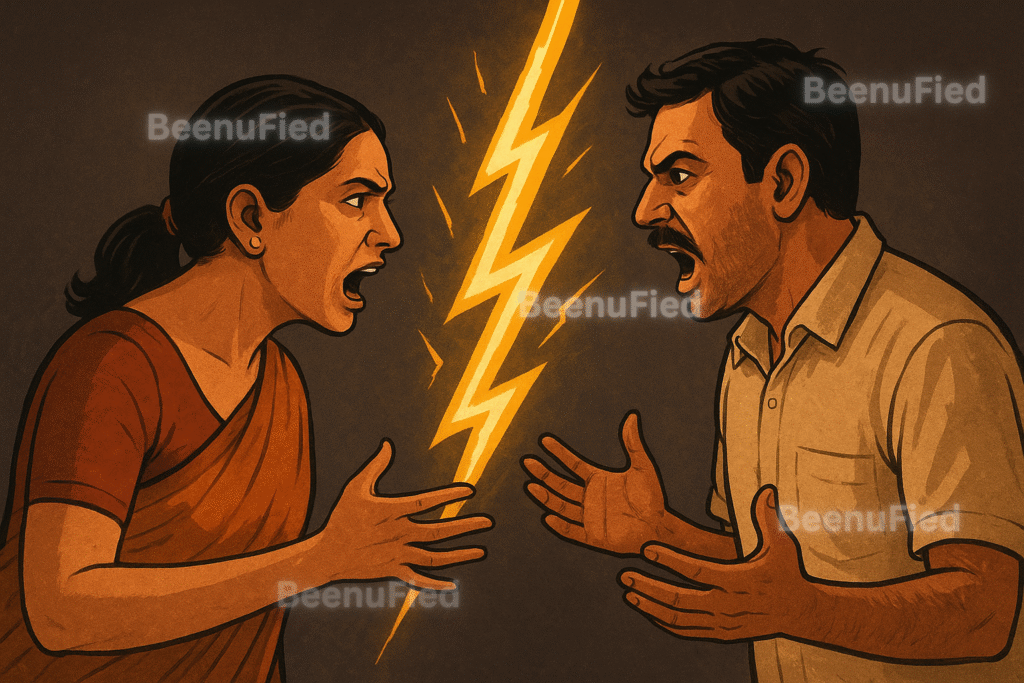
In the last decade, divorce rates in India have increased by nearly 30–40%, and the numbers continue to rise year after year. According to some reports, in most of these cases, it is women who initiate the divorce proceedings. The growing divorce rate is both positive and negative, and today we will explore how. The most important question is: Are these rising divorce rates the result of women’s increasing social and financial independence, and their decision-making power? Let’s find out.
Why Are Rising Divorce Rates a Concern?
The increase in divorce rates is a matter of concern because it indicates that people are gradually losing the ability to save relationships and are moving away from traditional cultural values. On the other hand, it is also alarming that despite the massive prevalence of domestic abuse and violence, the number of divorces is still very low compared to these cases.
A 2019–2021 survey by the National Institutes of Health (NIH) revealed that 31.2% of Indian women experience domestic violence, including physical, emotional, and sexual abuse. Among these, physical violence is most common, with 28.5% of women reporting physical abuse. These are only reported cases—the real figures are much higher.
In comparison, divorce cases account for only around 1%, which is shockingly low considering the high number of abuse cases. Domestic abuse exists across all sections of society, but in marginalized communities, it is almost a universal reality.
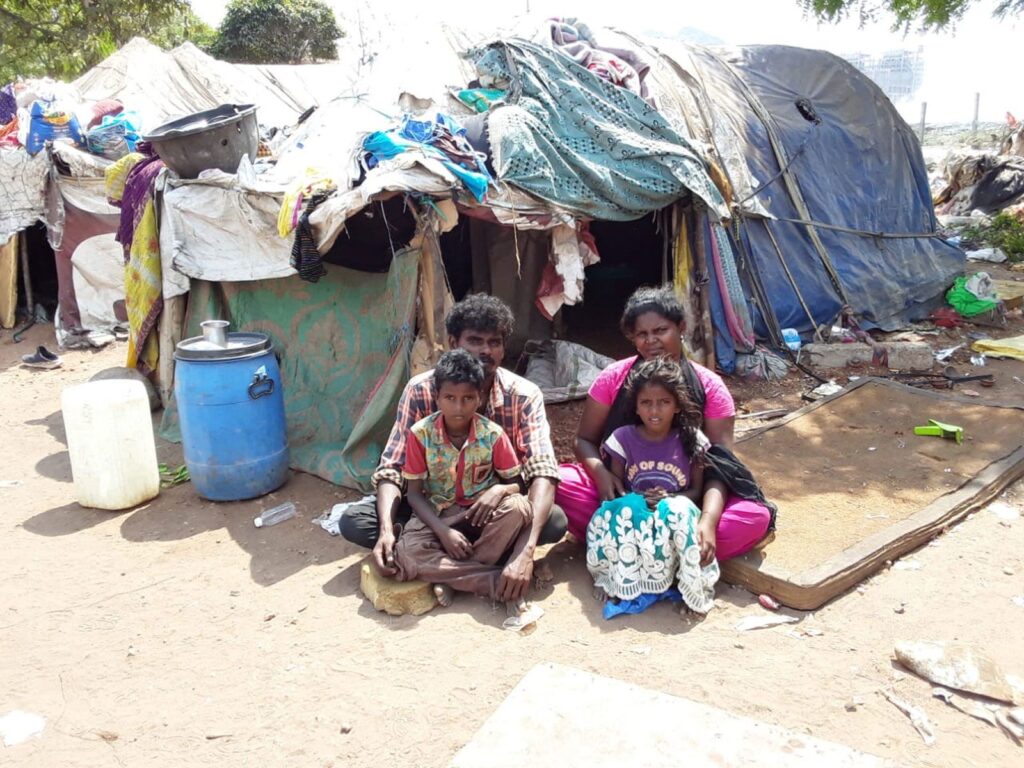
From personal observations, I have interacted with many domestic helpers. Almost every one of them admitted that their husbands beat them—even though these women earn for the family. Whenever I advised them to leave their husbands, the response was the same:
“Where will I go? I have no home.”
When I suggested filing a police complaint, they said:
“What will society say? And after that, my husband will beat me even more.”
When I told them to fight back, their response was:
“He is my husband. He has the right to hit me. We can’t raise our hand on him.”
Some even justified the violence by saying:
“Our husband is very good. He only beats us after drinking, and that too only once or twice a week.”
This shows how deeply rooted this problem is in our society.
Why Are Divorce Rates Increasing?
There are several reasons for the rising divorce rates in India. Let’s look at the major ones:
1. Changing Societal Norms
As people adopt modern thinking, they are beginning to understand that divorce is not a stigma, especially for women. They have realized that staying in a mentally unhealthy relationship is worse than living alone.
Parents are recognizing that raising children in an abusive environment negatively affects their mental health and values. Therefore, single parenting is now seen as a better alternative.
Divorce is no longer viewed as the end of life, but as an opportunity to escape a toxic relationship and start anew. Today, we find many inspiring examples where individuals, after leaving abusive marriages, are actively working in social welfare, helping others who suffer from physical, mental, and sexual abuse, and contributing to positive change in society.
2. The Influence of Westernization
Many Indians are blindly imitating Western lifestyles, abandoning their rich cultural heritage in the name of modernity. Relationships have turned into a game:
- Today with one person, tomorrow with another
- “Situationships,” casual relationships, live-ins, and meaningless flings have become common
For today’s woke generation, “freedom” means unrestricted drinking, casual sex, spreading vulgarity, and using abusive language to appear “cool.” Moral values are not the only issue; the real concern is practicality and logic.
The trend of multiple relationships before marriage severely impacts mental health. Heartbreaks and repeated emotional trauma lead to depression. When people with such baggage enter marriage, the chances of failure increase.
Moreover, being involved with multiple partners creates unrealistic expectations and comparisons in a new relationship. Over time, with experience of multiple break-ups, divorce begins to appear normal, just another solution to every problem. But in reality, this damages not just the couple’s mental health but also affects families and children.
3. Inability to Handle Stress and Pressure
Modern lifestyles have made stress an unavoidable part of life—for children, adults, and even the elderly. Hardly anyone is at peace. People are becoming incapable of handling even minor inconveniences in relationships.
Additionally, the shift from joint families to nuclear families has increased the burden on couples. Earlier, families helped balance conflicts and supported couples during crises. Now, partners are left to manage everything alone, leading to more marital breakdowns.
4. Impact of the Media Industry
The kind of content people consume through media and the internet is significantly shaping their thinking and behavior. People spend more time on mobile screens than with their partners, causing communication gaps.
Media content, filled with themes of love, breakups, cheating, heartbreaks, and multiple relationships, heavily influences viewers. While it is healthy to leave a toxic relationship for a better one, impulsive decisions without rational thinking lead to chaos. The constant dopamine rush from online content also reduces interest in real-life relationships.
5. Women Empowerment
One of the biggest reasons for rising divorce rates is women empowerment. Women are now educated, financially independent, and aware of their legal rights. They have started questioning injustices, inequality, and abuse.
Many women leave marriages due to domestic violence, while others separate because of ego clashes. This shows that earlier, marriage was considered solely a woman’s responsibility—she was expected to tolerate everything to keep the relationship intact.
But when women began demanding their basic rights, marriages started breaking. They are not doing anything wrong, they are only asking for equality and respect, unlike men, who historically subjected women to injustice.
Is This Positive or Negative?
The rise in divorce rates is a double-edged sword:
- Positive, because it reflects increasing awareness and refusal to tolerate abuse
- Negative, because it shows weakening family values and poor ability to handle relationships
The ideal approach is not to stigmatize divorce, nor to glorify it. Instead, society must encourage healthy relationships, provide counseling support, and promote mutual respect and understanding between partners.
Final Thoughts
The increase in divorce rates is neither entirely good nor entirely bad. It signifies a social transformation, but also highlights deep-rooted emotional and cultural issues. Modernization should not mean abandoning values; it should mean adopting logic, equality, and respect in relationships.
Until society addresses these underlying problems, divorce rates will continue to rise—and so will the mental health challenges for individuals and families alike.
READ MORE: Toxic Parents: Traits, Causes, Impact, and How to Break the Cycle.